Designing your dream home is exciting. From saving inspiration pictures to exploring furniture styles and choosing colour palettes, there are so many ideas to look forward to.
But before getting into the details, there are a few important things worth thinking about.
A successful home interior project is not just about selecting beautiful furniture or choosing expensive finishes. It involves understanding your lifestyle, planning the space properly, making informed decisions and ensuring that everything comes together during execution.
Whether you’re planning a new residence or renovating an existing home, having the right approach from the beginning can make the entire process smoother.
Here are seven things to consider before starting your luxury home interior project.
1. Understand Your Lifestyle and Requirements
Every home has different requirements because every family lives differently.
Before discussing designs, think about how you actually use your space. Do you frequently entertain guests? Do you need a dedicated workspace? Is storage a priority? Would you prefer an open kitchen or a separate one?
These everyday requirements should influence the design from the beginning.
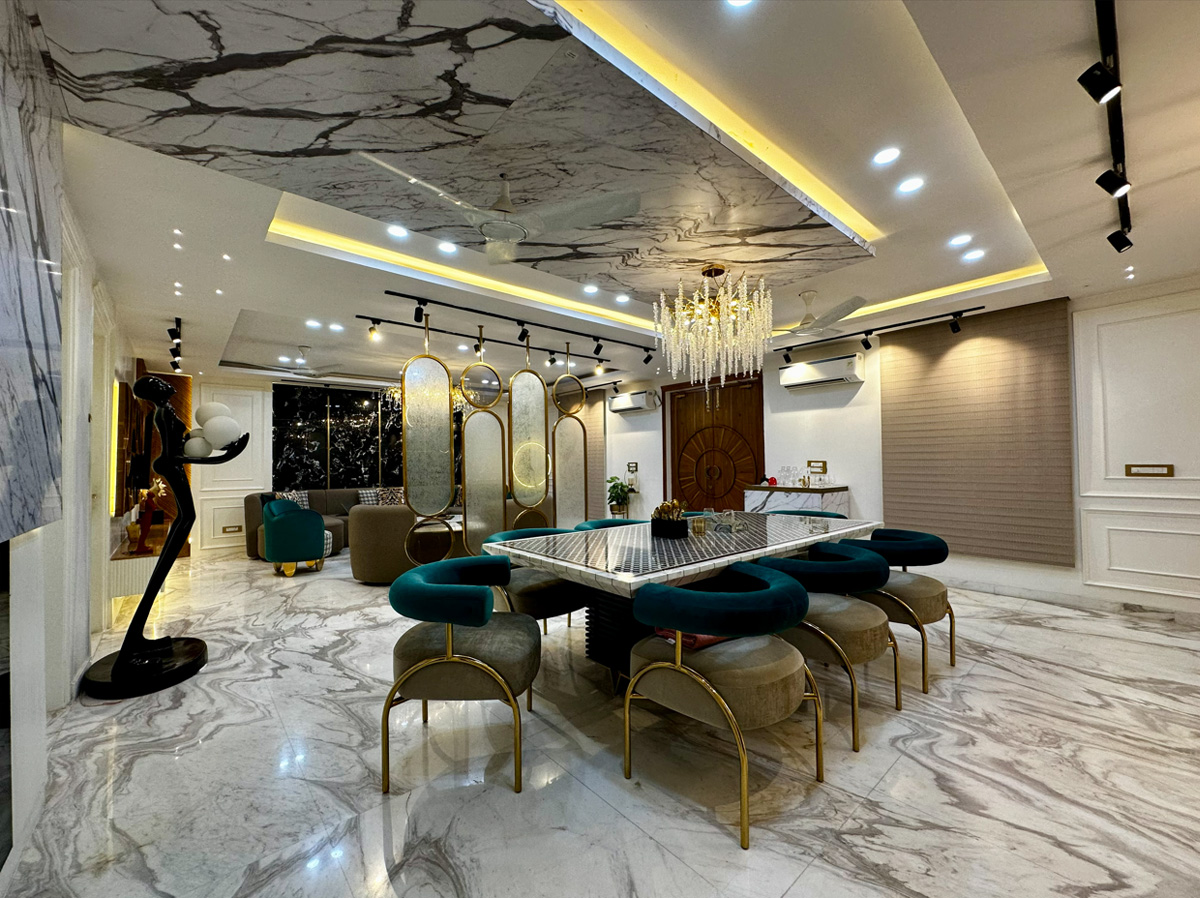
For example, a family that regularly hosts guests may need a thoughtfully planned formal living and dining area, while another family may prioritise comfortable, private spaces for everyday living.
The best interiors are not simply beautiful to look at. They are designed around the people who use them.
2. Set a Realistic Budget
Budget planning is one of the most important steps in any residential interior design project.
Before finalising the design, have a clear understanding of how much you are comfortable investing in the project.
Your budget should account for different aspects, including:
-
Civil and structural modifications, wherever required.
-
Flooring, wall finishes and ceiling work.
-
Furniture and customised installations.
-
Lighting and electrical requirements.
-
Kitchen and wardrobe design.
-
Soft furnishings and decorative elements.
-
Installation, execution and other associated costs.
It is also sensible to keep some flexibility for unexpected requirements that may arise during execution.
A clearly defined budget helps the design team suggest suitable materials, finishes and solutions without compromising the overall vision.
3. Choose the Right Interior Design Style
One of the most enjoyable parts of designing a home is exploring different interior styles.
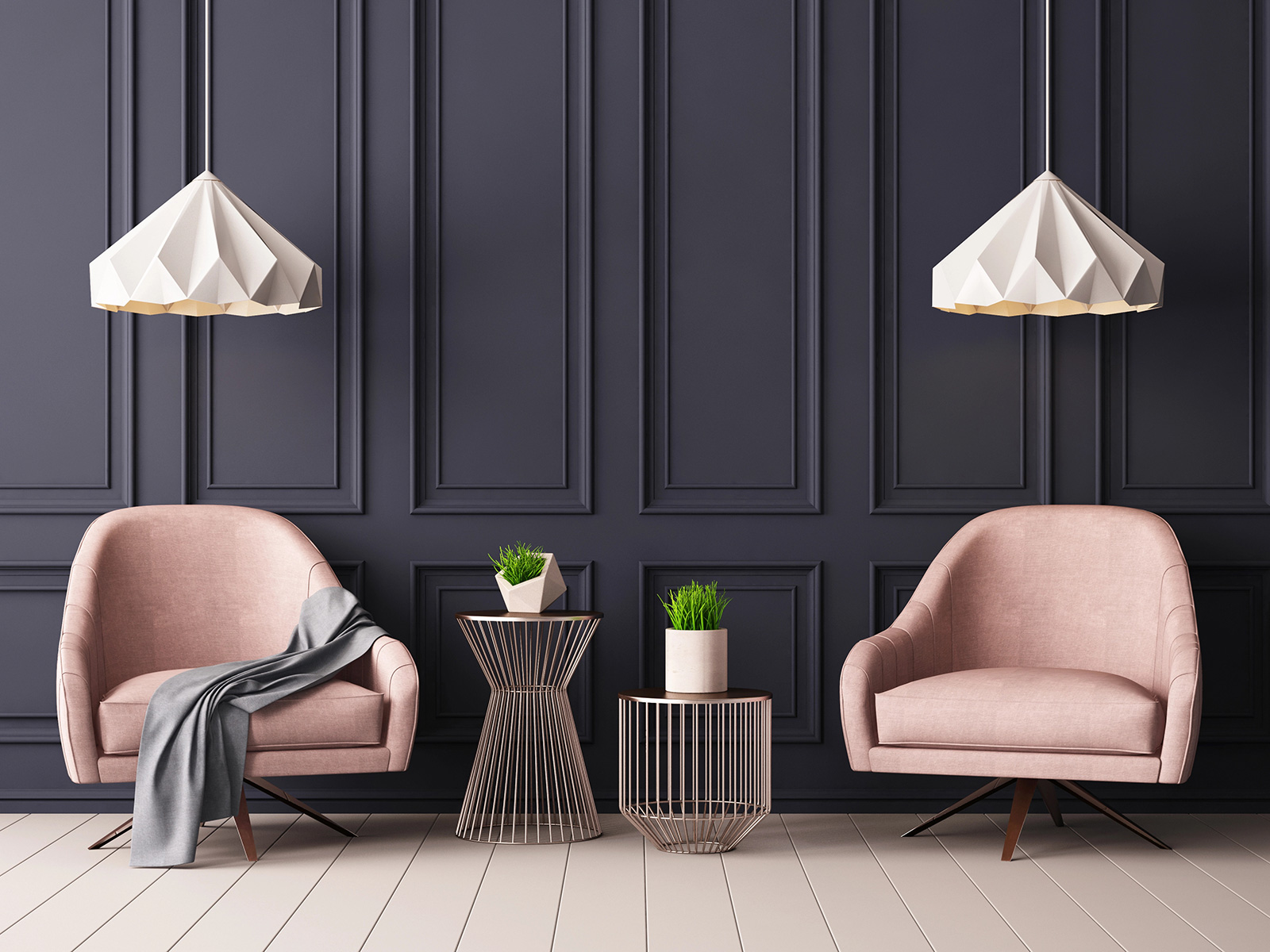
Some homeowners prefer contemporary spaces with clean lines and minimal detailing. Others may lean towards classic interiors, modern luxury, understated elegance or a combination of different influences.
You don’t necessarily need to follow one particular style throughout the house.
What matters is creating a consistent visual language so that the different rooms feel connected.
Start by collecting references that reflect what you genuinely like. Discuss these with your interior designer to develop a design direction that suits your preferences, space and lifestyle.
4. Select Materials Carefully
Material selection can have a significant impact on both the appearance and long-term usability of your home.
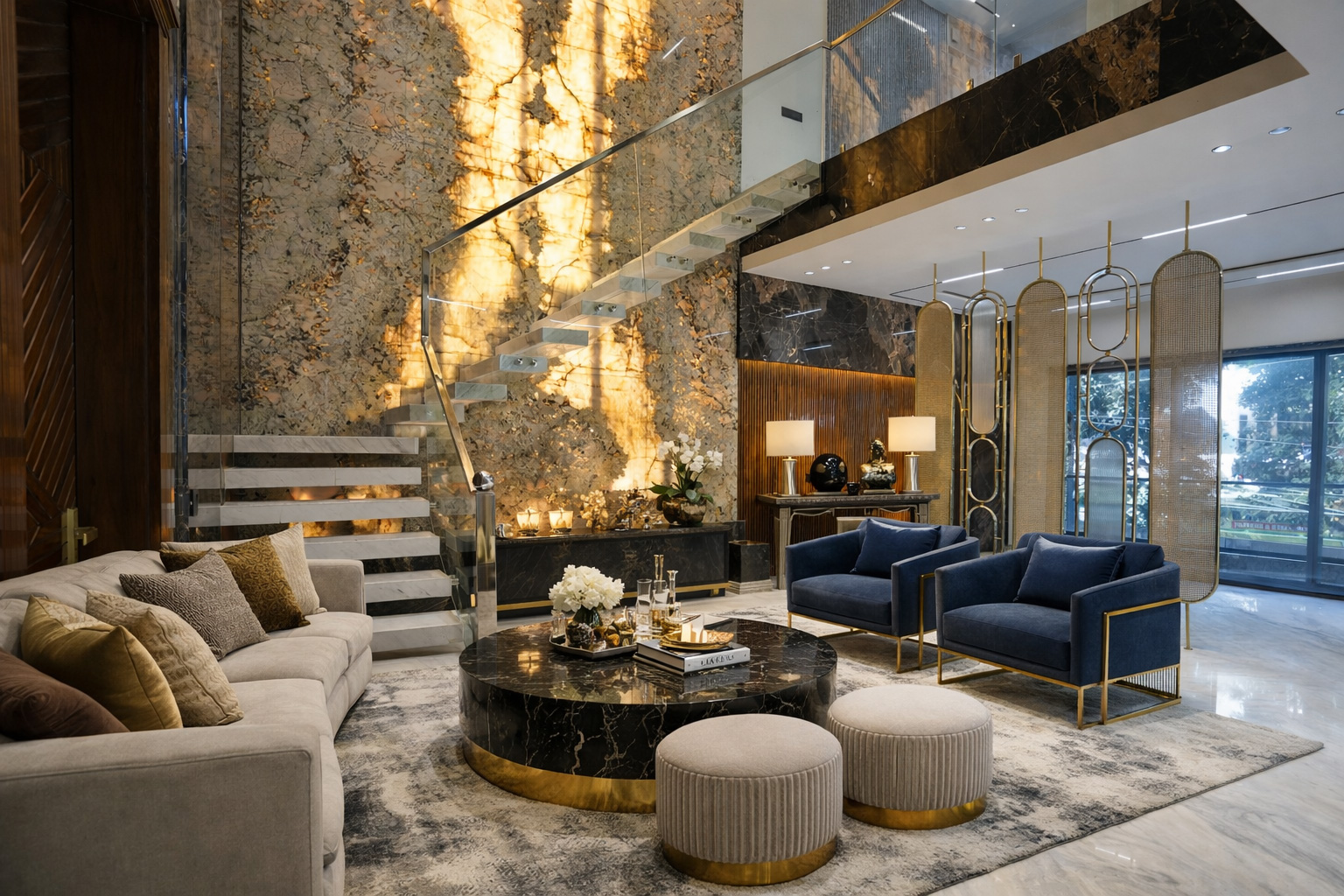
Marble, natural stone, wood, veneers, laminates, glass, metal finishes and different fabrics each bring their own character to a space.
However, the most expensive material is not always the most suitable one.
Consider factors such as durability, maintenance, availability, finish quality and how the material complements the rest of the interior.
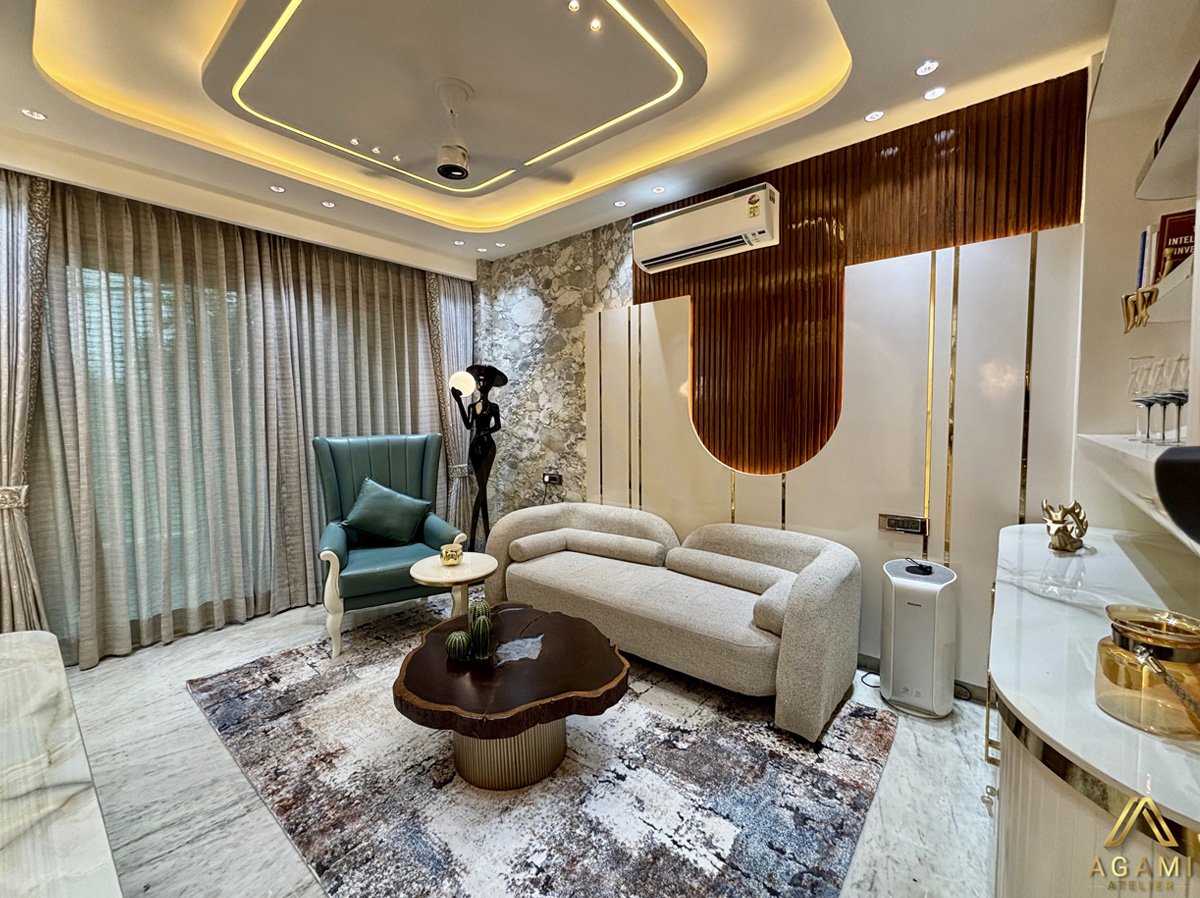
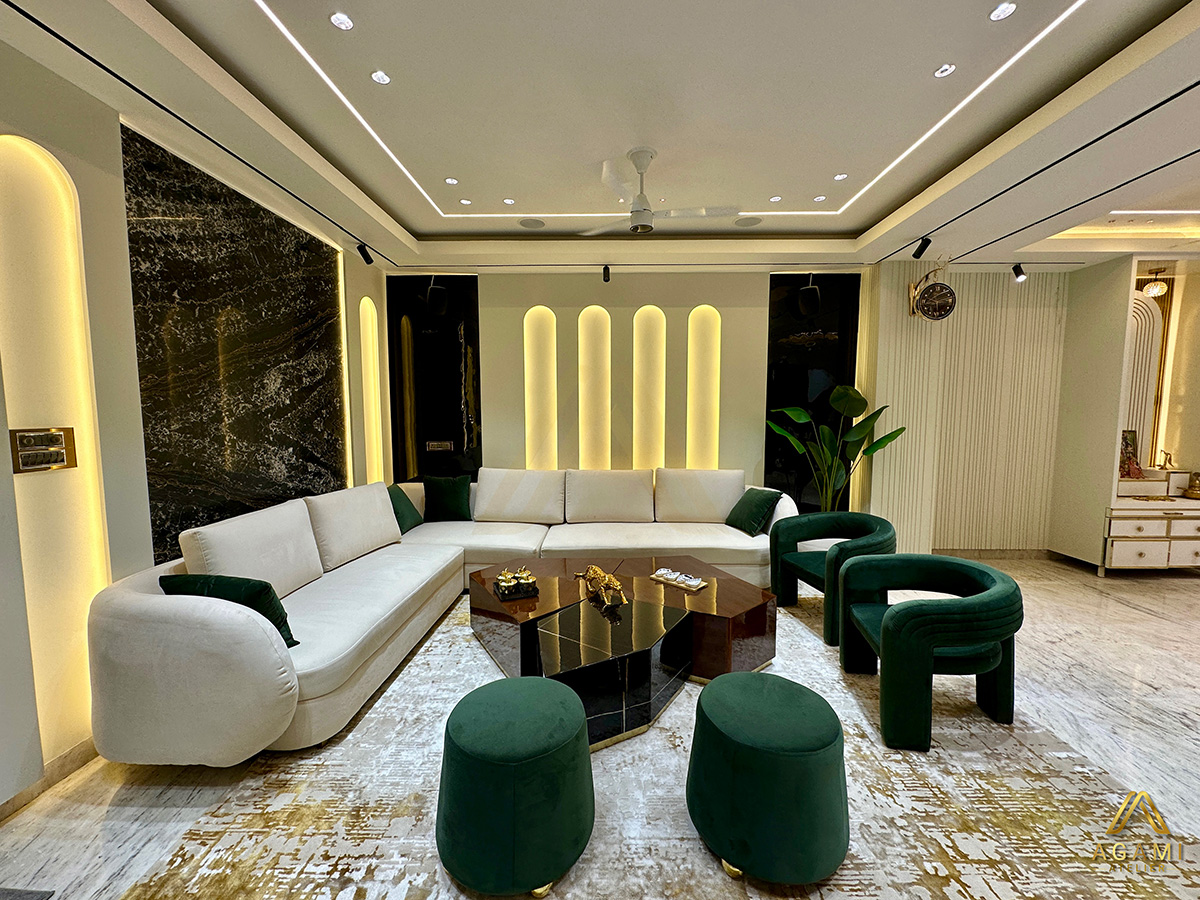
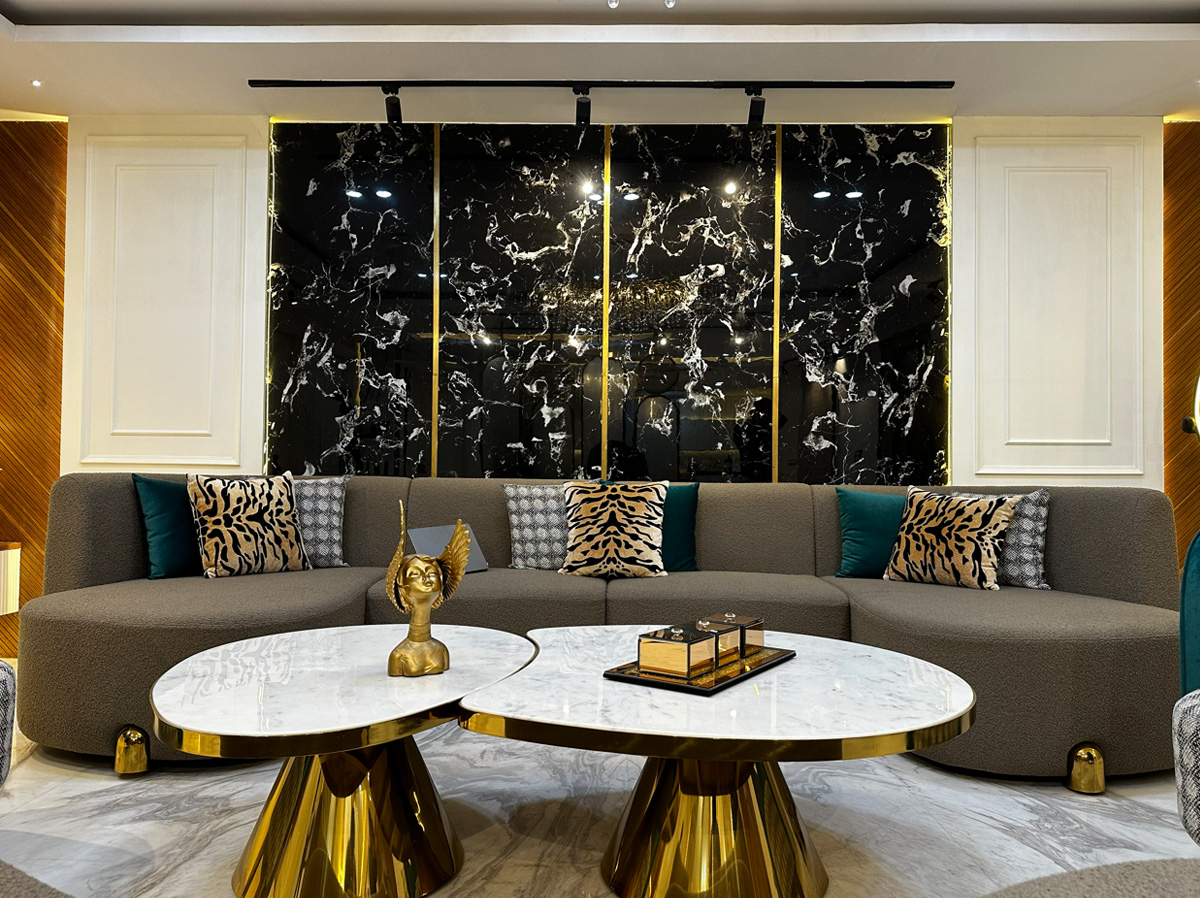
For instance, natural wood can add warmth to a contemporary living room, while marble surfaces can create a refined appearance when balanced with softer textures.
A well-coordinated material palette helps maintain consistency across the entire home.
5. Pay Attention to Space Planning and Storage
A well-designed home should make everyday living easier.
Before finalising furniture or decorative details, ensure that the layout allows comfortable movement and makes the best possible use of available space.
Think about the placement of wardrobes, kitchen storage, utility areas, display units and other functional elements.
Customised furniture and built-in storage can be particularly useful when designed according to the dimensions and requirements of the space.
Good space planning also helps avoid unnecessary changes during execution, saving both time and effort.
6. Understand the Design and Execution Process
An interior design project involves much more than creating attractive 3D visuals.
Once the design is approved, several activities need to come together, including technical drawings, material selection, vendor coordination, site measurements, furniture production and on-site execution.
Understanding this process before starting can help you set realistic expectations.
Regular site coordination is equally important. It helps ensure that the actual work follows the approved drawings and that design details are properly communicated to the people executing them.
A clear process, proper communication and attention to detail can make a significant difference to the final outcome.
7. Choose an Interior Design Team You Can Trust
Your choice of interior design team plays an important role in the overall experience of creating your home.
Look beyond attractive project photographs. Explore the studio’s previous work, design approach, understanding of materials and ability to manage different stages of a project.
It is also important to have open conversations about your requirements, budget, timelines and expectations.
A good design team should understand your vision, offer practical suggestions and guide you through the decisions involved in transforming your space.
Most importantly, the design approach should feel right for your home rather than simply replicating another project.
A Well-Planned Home Begins With the Right Decisions
Creating a beautiful home takes time, planning and collaboration. The decisions you make before starting the project can influence everything that follows, from the overall design direction to the quality of execution.
At Agami Atelier, we believe every home deserves an approach that considers the client’s lifestyle, individual preferences and functional requirements.
Our approach to residential interior design and architecture focuses on thoughtful space planning, considered material selection and attention to detail throughout the design and execution process.
If you’re planning a new home or looking to transform your existing residence in Delhi NCR or Gurgaon, connect with Agami Atelier to discuss your ideas.
Let’s create a space that feels personal, thoughtfully designed and truly yours.