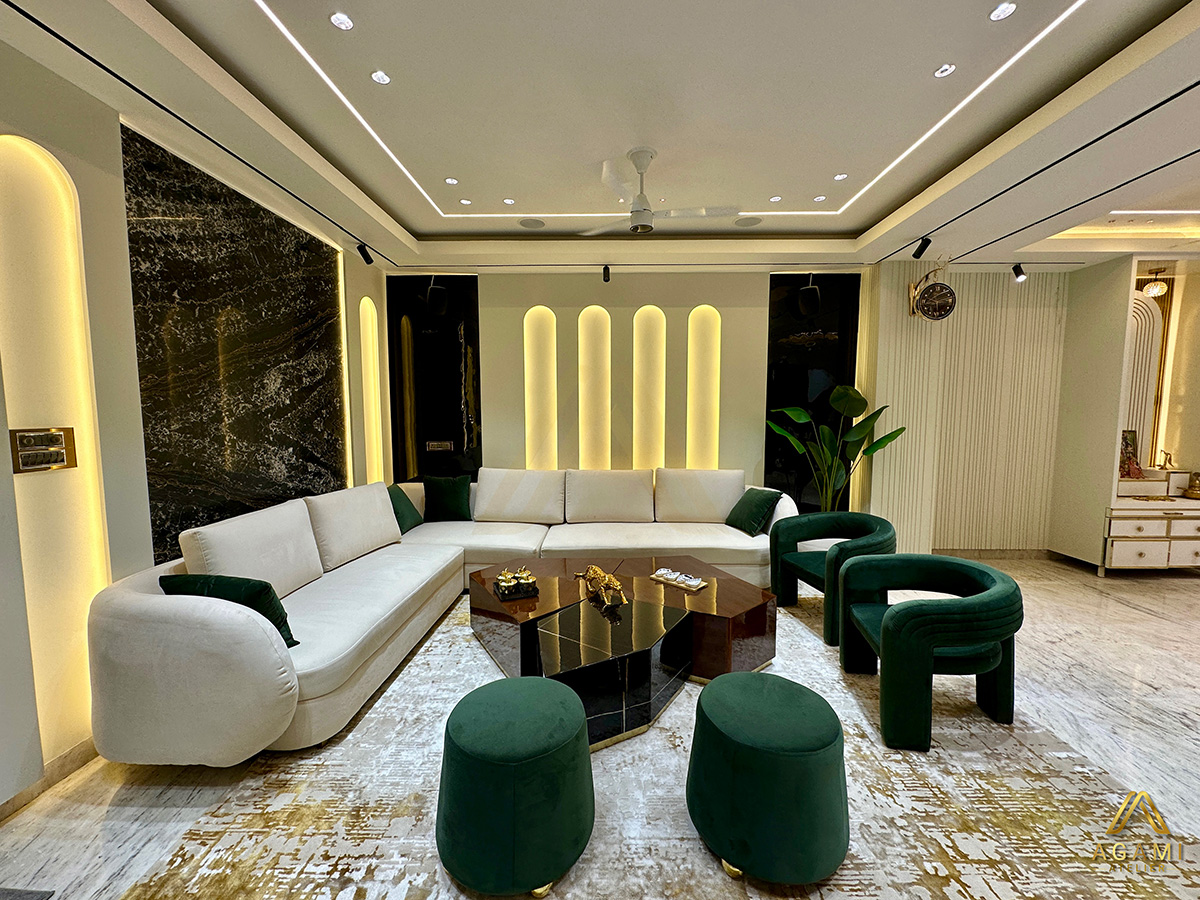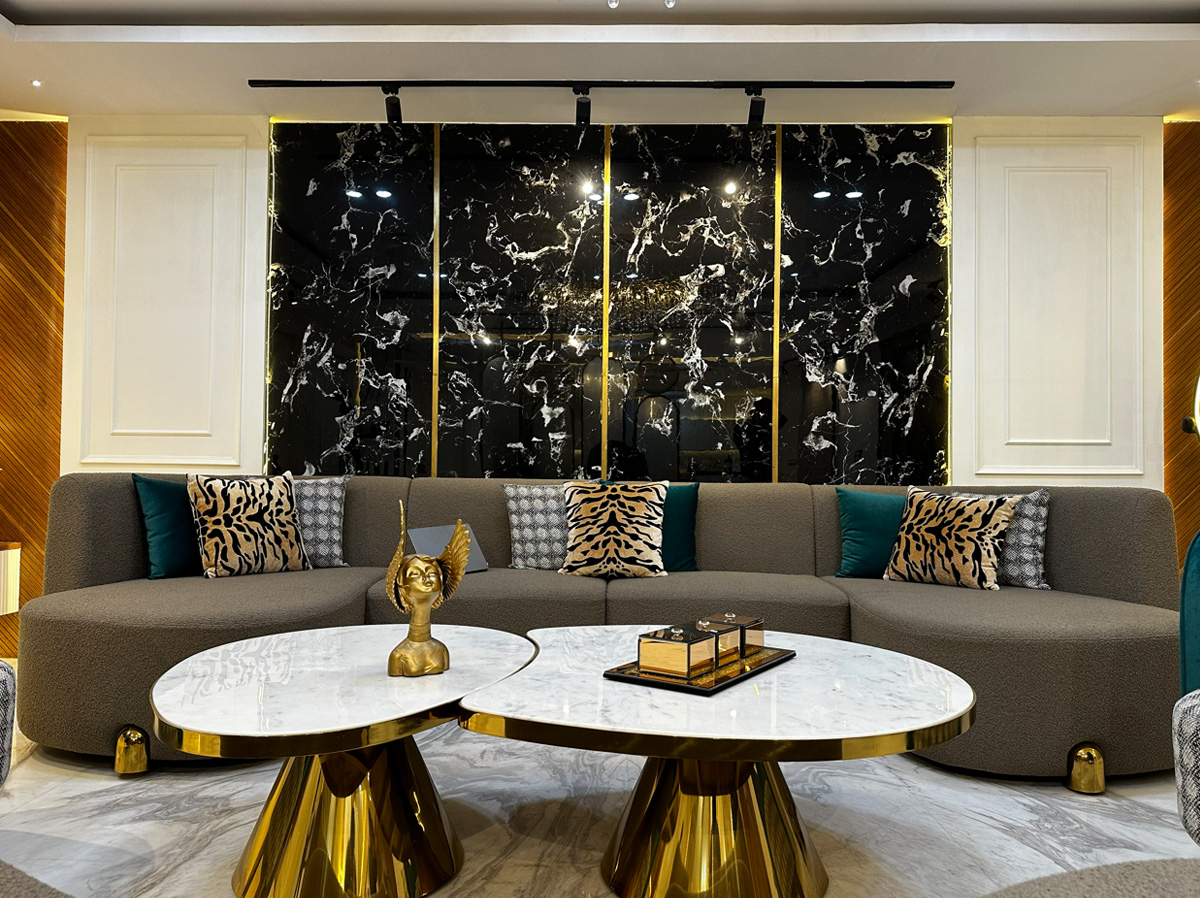
Planning your home interiors is exciting, but choosing the right interior designer can sometimes feel overwhelming. With so many design styles, material options, portfolios and service packages available, it can be difficult to understand which professional is the right fit for your home.
The decision is about more than finding someone who can create beautiful spaces. Your interior designer should understand your lifestyle, make thoughtful use of the available space, guide you through material selections and coordinate the different aspects of the design process.
This becomes particularly important when planning a luxury home, independent house or villa, where architectural details, interior finishes and execution need to work together.
If you are looking for an interior designer in Delhi NCR, here are ten important things to consider before making your decision.
1. Understand Your Requirements Before Starting
Before approaching an interior design firm, take some time to understand what you want from your home.
Think about how you use different spaces, what your daily routine looks like and which areas need the most attention.
For example, a family may prioritise a spacious living room, practical kitchen storage and comfortable bedrooms. Another homeowner may want a dedicated home office, a private entertainment area or a more elaborate dressing space.
You do not need to have every design detail figured out. However, having a basic understanding of your requirements will help the designer understand your expectations more clearly.
Consider making a list of:
Spaces that need to be designed
Your preferred interior design style
Storage and functionality requirements
Materials and finishes you like
Your approximate project budget
Your expected project timeline
A clear starting point makes the initial design discussion more productive.
2. Review the Designer’s Portfolio Carefully
A portfolio is one of the best ways to understand an interior designer’s approach.
However, do not judge a firm only by the number of attractive images it displays. Look closely at the variety, consistency and quality of its completed projects.
Pay attention to:
Residential projects similar to your property
Material combinations and finish selection
Space planning and furniture proportions
Lighting and architectural details
Consistency between different areas of a home
Photographs of completed work rather than only conceptual renders
If you are planning a luxury residence, look for experience with projects that have similar design expectations and complexity.
A strong portfolio should help you understand not just how a space looks, but also how thoughtfully it has been designed.
3. Look for a Design Approach That Matches Your Lifestyle
An interior design style may look impressive in photographs, but it should also work for the people living in the home.
Some homeowners prefer minimal spaces with subtle colours and clean lines. Others may enjoy layered materials, detailed furniture, statement lighting or a more expressive design language.
The right interior designer should be able to understand these preferences and translate them into a cohesive design.
For instance, a family with children may require durable materials and accessible storage, while someone who frequently entertains guests may prioritise the living and dining areas.
Rather than following a particular trend, look for a designer who focuses on creating spaces around your actual requirements.
4. Check Whether the Firm Understands Architecture and Interior Design Together
Interior design does not always begin after the architectural work is complete.
In many residential projects, the two disciplines influence each other from the early planning stages. Room proportions, window positions, natural light, circulation, ceiling heights and structural elements can all affect the final interior experience.
This is especially relevant when designing an independent house or luxury villa.
A coordinated approach to architecture and interiors can help create continuity between the building’s overall structure and its internal spaces.
When evaluating a design firm, understand how it approaches this relationship and whether the required architectural and interior design services can be coordinated under the project’s scope.
5. Understand What Is Included in the Interior Design Services
Not every interior design firm offers the same range of services.
Some focus primarily on conceptual design and drawings, while others may also provide detailed documentation, material selection, site coordination and execution-related services.
Before proceeding, ask the firm to explain exactly what is included in its proposal.
Depending on the project, the scope may cover:
Space planning and layout development
Concept design and mood boards
3D visualisations
Furniture and lighting layouts
Material and finish specifications
Detailed design drawings
Site coordination
Execution and installation, where included
It is important to understand which activities are included, which are handled separately and who will be responsible for them.
Clear expectations at this stage can help avoid misunderstandings later.
6. Discuss Your Budget Transparently
Budget planning is an important part of every home interior project, particularly when the design involves customised furniture, premium materials and specialised finishes.
A good design discussion should consider your budget alongside your expectations.
Instead of discussing only an overall amount, try to understand how the budget may be distributed across different parts of the project.
These could include:
Civil and modification work
Flooring and wall finishes
Modular or customised furniture
Lighting and electrical work
Kitchen and wardrobe installations
Decorative elements and furnishings
The final costs will depend on the size of the property, material specifications, design complexity and execution requirements.
Ask how changes in materials or design decisions may affect the overall budget. It is also useful to understand payment milestones and what happens if the project scope changes.
The objective is to make informed decisions without compromising on the elements that matter most to you.
7. Ask About Material Selection and Quality
Materials have a lasting influence on the appearance, comfort and maintenance of a home.
From flooring and wall finishes to cabinetry, fabrics and hardware, every selection contributes to the overall design.
A good interior design process should explain why particular materials are being recommended rather than simply presenting attractive samples.
Ask about their suitability, maintenance requirements, durability and how they will work with the other finishes in your home.
For example, a material that looks beautiful in a showroom may require more maintenance than you are comfortable with. Similarly, certain finishes may not be suitable for areas exposed to frequent moisture or heavy use.
The right selections should balance aesthetics with everyday practicality.
8. Understand the Design and Execution Process
A home interior project involves several stages, and understanding them can make the entire experience more organised.
A typical process may include:
Initial Consultation: Understanding the property, homeowner’s requirements, preferences and budget.
Space Planning: Developing layouts based on movement, functionality and available space.
Concept Development: Establishing the design direction, colour palette, materials and overall visual language.
3D Visualisation: Helping the homeowner understand how the proposed spaces may look.
Design Documentation: Preparing the drawings and specifications required for the agreed scope.
Execution and Site Coordination: Coordinating the work on site, where included in the engagement.
Final Review: Reviewing completed work against the agreed design and project requirements.
Ask how progress updates, approvals, design revisions and site communication will be managed. Knowing who your main point of contact will be is equally important.
9. Communication Matters as Much as Design
An interior design project involves many decisions, and good communication makes those decisions easier.
You should feel comfortable discussing your preferences, asking questions and understanding the reasoning behind design recommendations.
During your initial conversations, notice whether the designer listens carefully or immediately pushes a particular style or solution.
A professional design relationship should involve collaboration. The designer brings technical knowledge and creative direction, while the homeowner brings an understanding of their lifestyle and expectations.
Both perspectives are important in creating a home that feels personal and well considered.
10. Do Not Make Your Decision Based on Price Alone
It is natural to compare quotations when choosing an interior designer. However, the lowest quotation does not always represent the best overall value.
Two proposals may appear similar in price while offering very different levels of design detail, material specifications, documentation and project involvement.
Before comparing costs, check whether the scope of work is actually comparable.
Look at the quality of the proposed design, clarity of deliverables, experience relevant to your project and the way responsibilities are defined.
A well-planned project is built on clear communication, realistic expectations and thoughtful decisions rather than price alone.
Questions to Ask Before Hiring an Interior Designer
Before finalising your decision, consider asking these questions:
Have you worked on projects similar to my property?
What exactly is included in your design proposal?
Will I receive 2D drawings and 3D visualisations?
How are materials and finishes selected?
Who will coordinate the project on site?
How many design revisions are included?
How are changes in scope and additional costs handled?
What is the expected project timeline?
How will project updates and approvals be communicated?
The answers will help you understand the firm’s working approach and whether it matches your expectations.
Frequently Asked Questions About Hiring an Interior Designer
1. How do I choose the best interior designer in Delhi NCR?
Start by reviewing the designer’s portfolio, relevant project experience, design approach, service scope and communication process. Choose a professional who understands your requirements and can clearly explain how the project will be managed.
2. When should I hire an interior designer for a new home?
Ideally, involve an interior designer during the architectural or early planning stage. This allows layouts, electrical points, lighting, storage and other interior requirements to be considered before construction progresses too far.
3. What is the difference between an interior designer and an interior decorator?
An interior designer generally works on space planning, functionality, material selection, lighting and design documentation, depending on the agreed scope. An interior decorator typically focuses more on the visual finishing of spaces, such as furniture, colours, fabrics and accessories. The services offered can overlap.
4. What should an interior design proposal include?
A clear proposal should explain the project scope, deliverables, design stages, professional fees, exclusions, payment terms and responsibilities. If execution is included, the proposal should also clarify the relevant execution scope and commercial terms.
5. Is hiring an interior designer worth it for a luxury home?
A professional interior designer can help coordinate the design of different spaces, plan materials and improve the relationship between aesthetics and functionality. The value depends on the project’s requirements, the quality of the design process and the scope of services provided.
6. Can an interior designer help with both architecture and interiors?
Some firms offer both architectural and interior design services, while others specialise in one discipline. If you need both, confirm the firm’s experience, scope of services and how the two design processes will be coordinated.
Final Thoughts
Choosing the right interior designer is one of the most important decisions in planning your home. The right professional should understand more than your preferred colours or furniture styles. They should understand how you live, what your home needs and how different design decisions come together.
From the initial layout and material selection to lighting, detailing and project coordination, every stage deserves careful attention.
At Agami Atelier, we approach architecture and interior design with a focus on thoughtful planning, considered material choices and spaces that reflect the people who live in them.
Whether you are planning a luxury apartment, an independent house or a contemporary villa in Delhi NCR, the process should begin with understanding your vision and translating it into a well-planned design.
Planning your home interiors? Connect with Agami Atelier to discuss your residential architecture and interior design requirements.