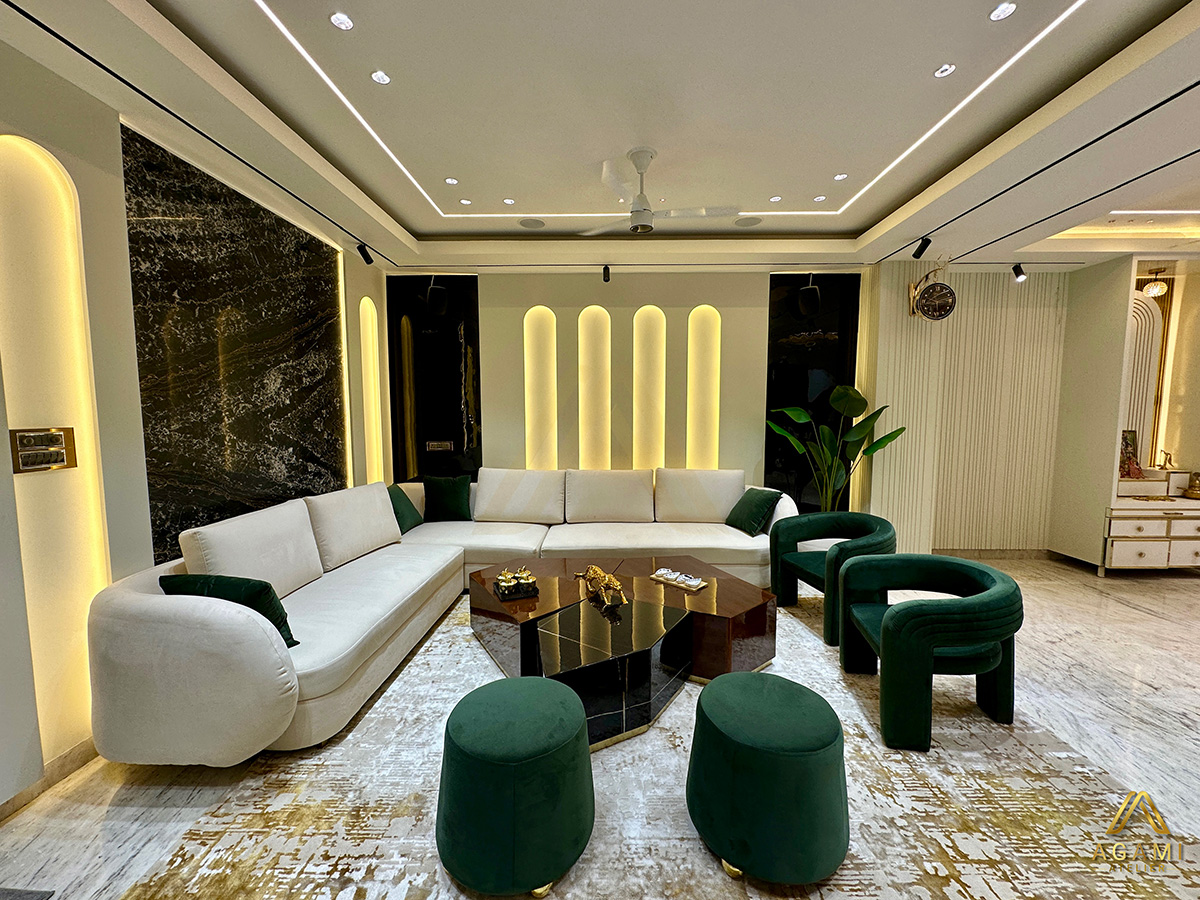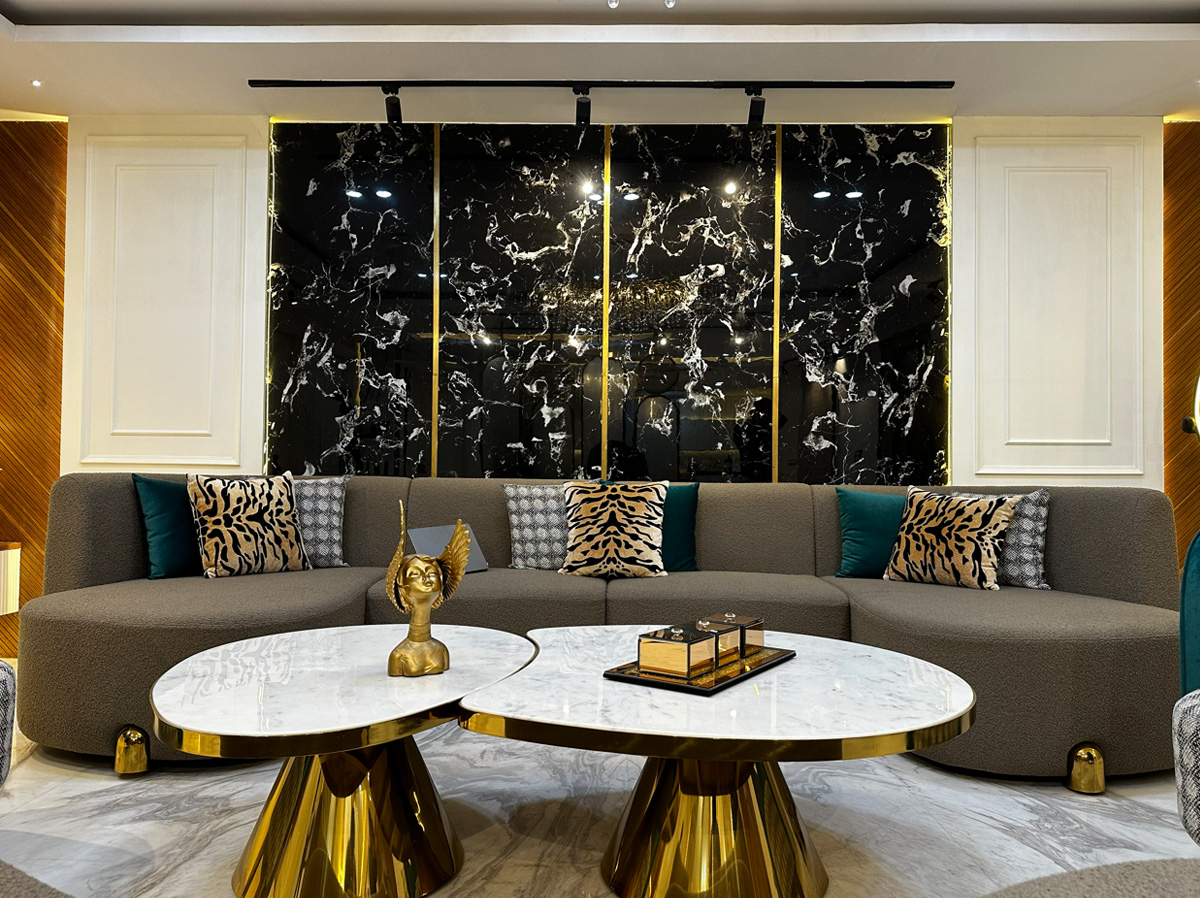
When planning a home interior, choosing materials is one of the decisions that can have the biggest impact on the final result. The flooring, wall finishes, wood, fabrics, countertops and small details all contribute to how a space looks and feels.
Sometimes, a material looks perfect in a showroom but feels different once it is used across an entire room. Other times, a finish that seems simple can bring the whole design together.
The challenge is finding materials that suit your home, your lifestyle and the way you want the space to feel.
Here are a few things worth considering before making material selections for your home interior.
1. Start With the Overall Design, Not Individual Materials
It is easy to select materials one by one based on what catches your eye. But when several different finishes come together in the same space, they may not always work as expected.
Before finalising individual materials, consider the overall direction of your interior. Think about the colours, textures, furniture, lighting and architectural details you want to bring together.
A clear design direction makes material selection easier and helps create a more cohesive home.
Instead of choosing every finish separately, look at how they complement each other as a combination.
2. Choose Flooring That Suits Your Lifestyle
Flooring is one of the largest surfaces in a home, so it has a significant influence on the overall interior.
Natural stone, marble, porcelain tiles, wood and other flooring materials each have their own character, appearance and maintenance requirements.
The right choice depends on the room, the level of usage, the desired aesthetic and practical considerations.
For example, a material selected for a formal living area may have different requirements from flooring used in a kitchen, utility area or bathroom.
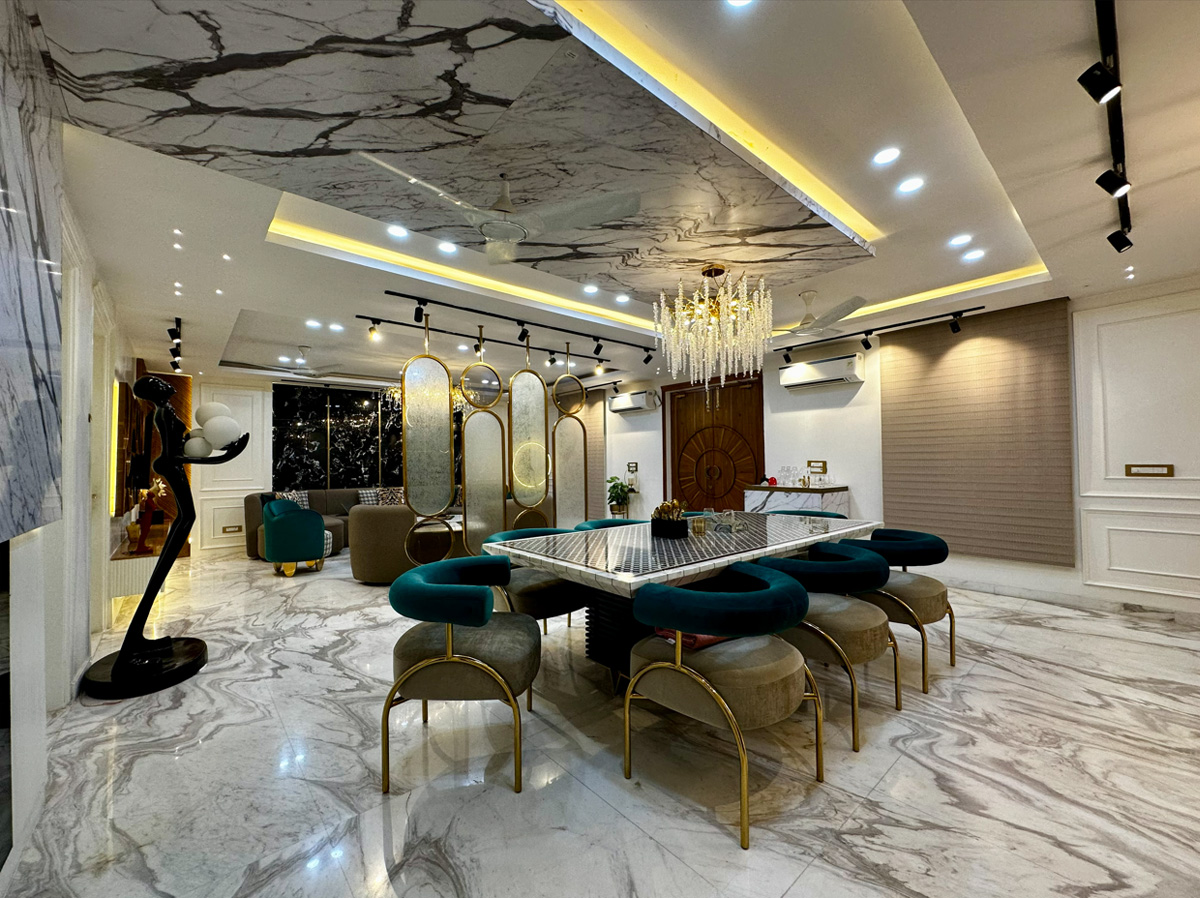
It is also worth considering how the flooring will connect different rooms. A consistent flooring approach can create a sense of continuity, while carefully selected transitions can help define different spaces.
3. Natural Wood Adds Warmth to Interiors
Wood is one of those materials that can make a home feel more welcoming.
It can be used for flooring, wall panels, furniture, wardrobes, doors and decorative details. Different shades, grains and finishes can create very different visual effects.
Lighter wood tones can help create a softer, more contemporary appearance, while deeper tones may bring richness and contrast.
The important thing is to avoid using too many different wood finishes without a clear reason. Selecting complementary tones helps the interior feel more balanced.
The finish and material specification should also consider the location, maintenance and expected usage.
4. Wall Finishes Can Add Depth Without Overcomplicating the Design
Walls do not always need to be plain painted surfaces.
Textured finishes, lime-based finishes, stone, wallpaper, wood detailing and subtle panel designs can add character to a room.
However, not every wall needs to become a feature wall.
Sometimes, a simple wall finish combined with good lighting and thoughtfully selected furniture creates a more refined result than adding multiple decorative elements.
The choice should depend on the room’s proportions, natural light and the overall design.
5. Select Kitchen Materials With Practicality in Mind
Kitchen materials need to handle everyday use.
Countertops, cabinet finishes, hardware, backsplashes and flooring should be selected with durability, cleaning, moisture and maintenance in mind.
The appearance of the material matters, but so does how it performs after years of cooking and regular use.
Different countertop materials offer different characteristics, so their suitability should be considered according to the homeowner’s requirements, usage and budget.
Similarly, cabinet finishes should be selected not only for their appearance but also for how easy they are to maintain.
6. Fabrics Make a Home Feel More Comfortable
Furniture may establish the structure of an interior, but fabrics bring softness into the space.
Curtains, upholstery, rugs, cushions and bedding help create a comfortable atmosphere while introducing texture and colour.
When selecting fabrics, consider sunlight exposure, cleaning requirements, usage and the overall palette.
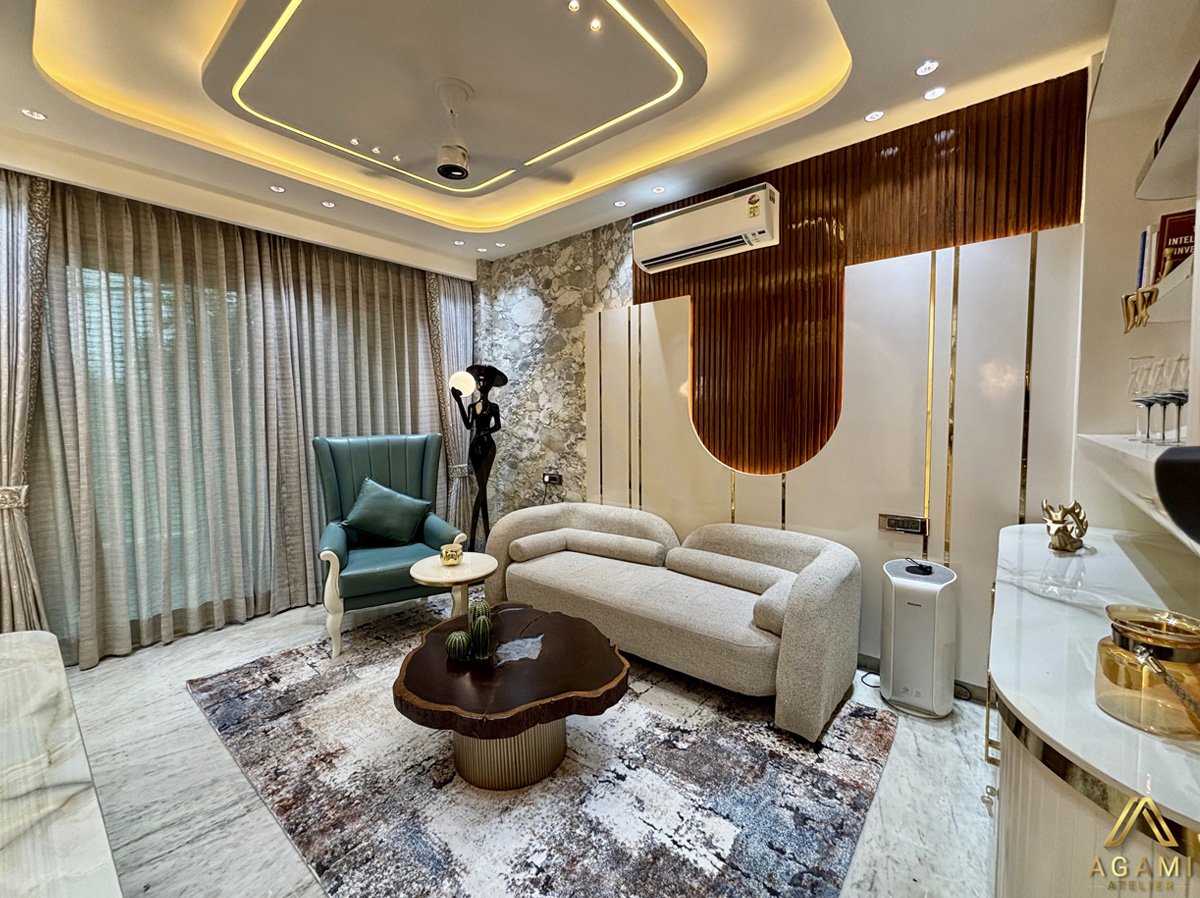
A combination of different textures can add depth without requiring too many colours. For example, a neutral sofa can be complemented by textured cushions, soft curtains and a carefully selected rug.
These details can make an interior feel complete without making it visually crowded.
7. Lighting Can Change How Materials Look
Materials don’t always look the same under different lighting conditions.
A wall finish, stone surface, wood tone or fabric may appear noticeably different under natural daylight, warm lighting or cool artificial lighting.
This is why material samples should ideally be reviewed in the actual space, or under lighting conditions similar to those planned for the interior.
Lighting and material selection should work together. A finish chosen without considering the lighting may not create the intended appearance once installed.
8. Don’t Forget Maintenance and Long-Term Use
A beautiful material is only a good choice if it suits the way you live.
Some surfaces require regular care, while others are easier to maintain. Certain materials may be more sensitive to scratches, stains, moisture or direct sunlight.
Before finalising materials, understand their maintenance requirements and expected performance.
This becomes particularly important in homes with children, pets, frequent entertaining or areas that experience heavy everyday use.
Choosing materials with these considerations in mind can help the home remain beautiful and practical over time.
9. Create a Balanced Material Palette
One of the biggest mistakes in interior design is using too many materials simply because each one looks attractive on its own.
A home usually feels more cohesive when a few primary materials are supported by complementary finishes and carefully selected accents.
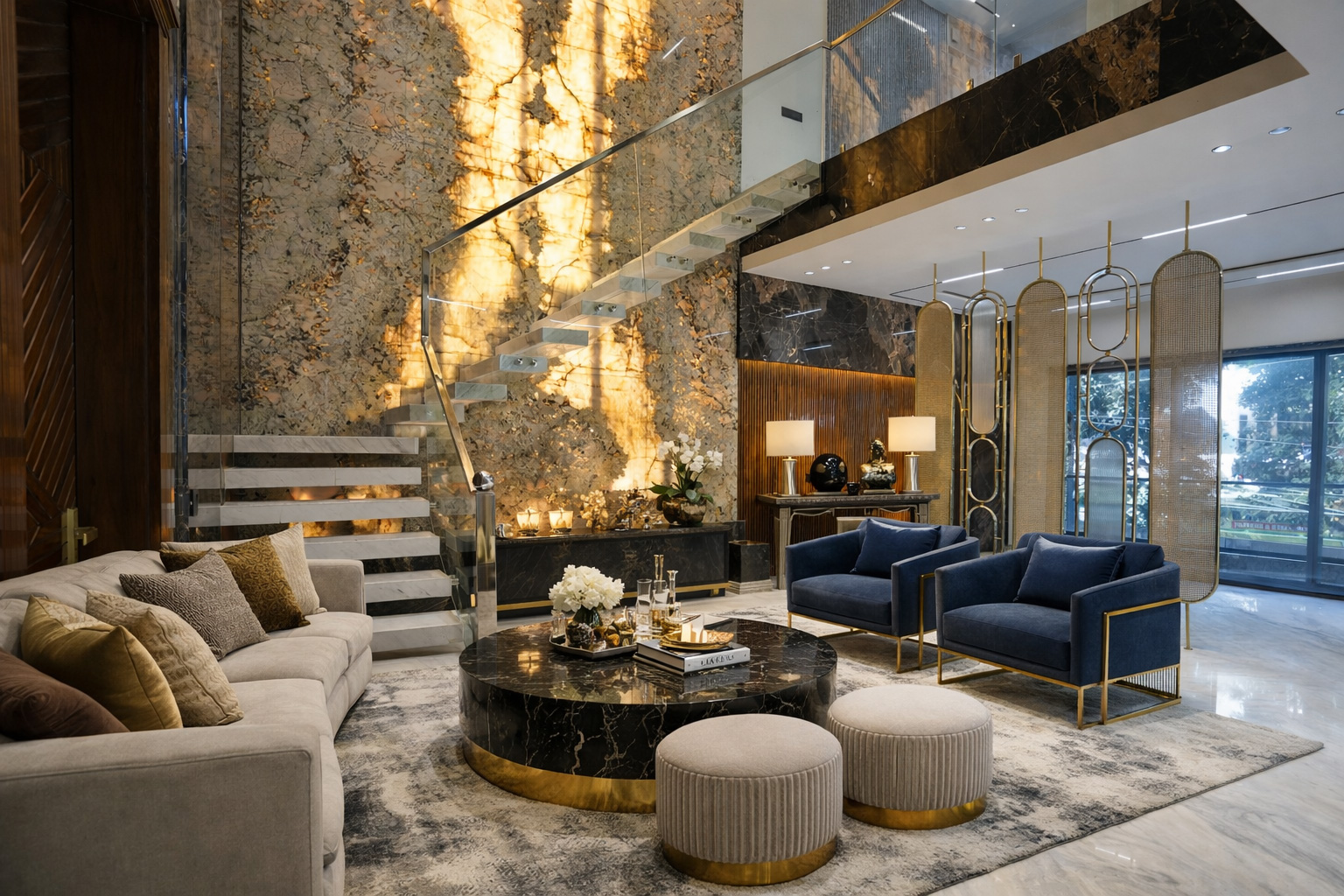
For example, natural stone, wood, soft neutral fabrics and subtle metal details can work together to create a sophisticated interior without excessive decoration.
The balance between colours, textures and surfaces matters more than the number of materials used.
Designing With Materials That Feel Right
Material selection is not just about choosing what looks expensive. It is about understanding how different materials work together and how they will be experienced in everyday life.
The right combination can make a home feel warm, timeless, comfortable and connected to its architecture.
At Agami Atelier, we believe every material should have a purpose within the design. From the larger surfaces to the smallest finishing details, thoughtful selection helps create interiors that feel considered rather than simply decorated.
If you are planning a new home or renovating an existing one, taking time to choose the right materials can make a lasting difference to the final space.
Explore thoughtful architecture and interior design with Agami Atelier.