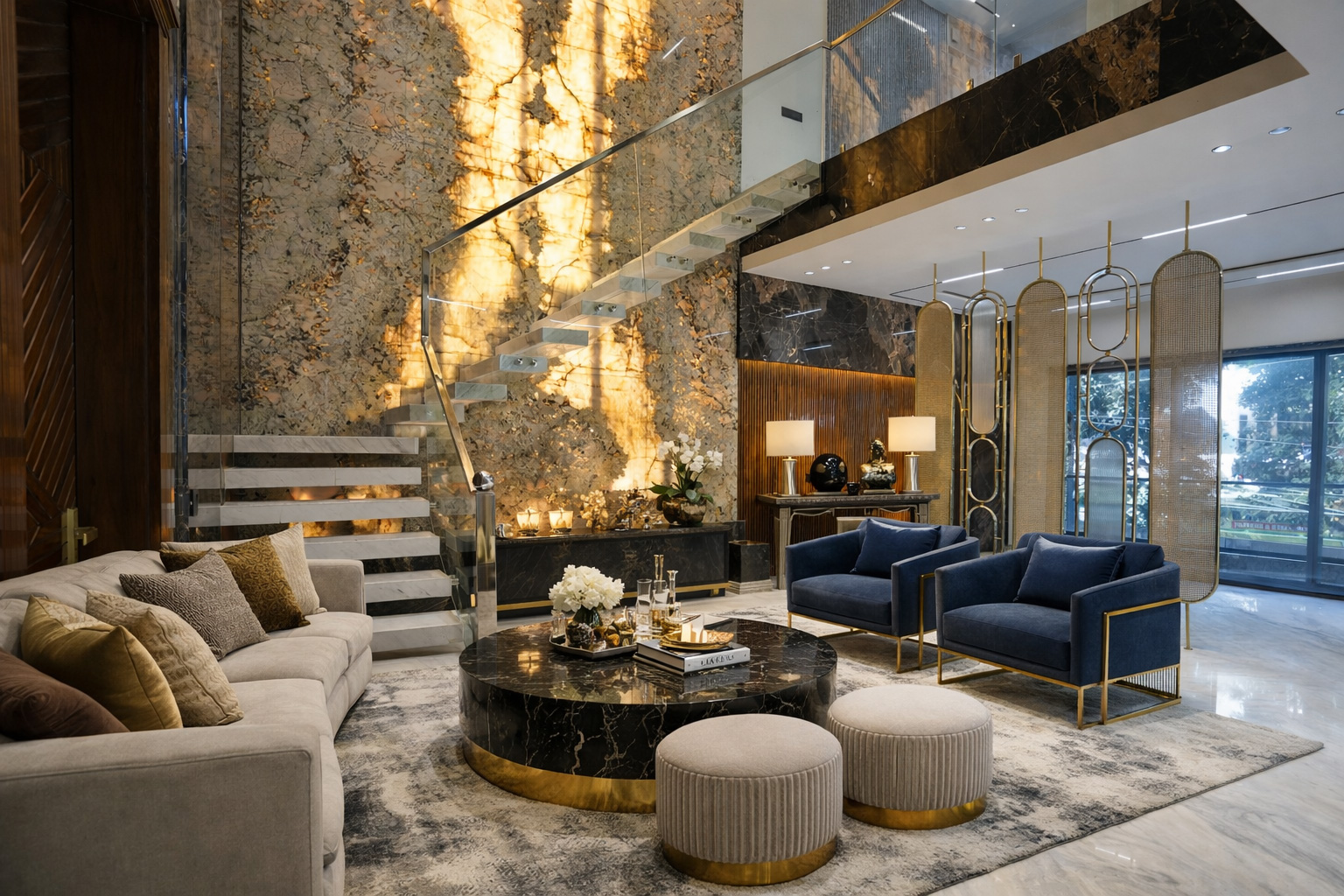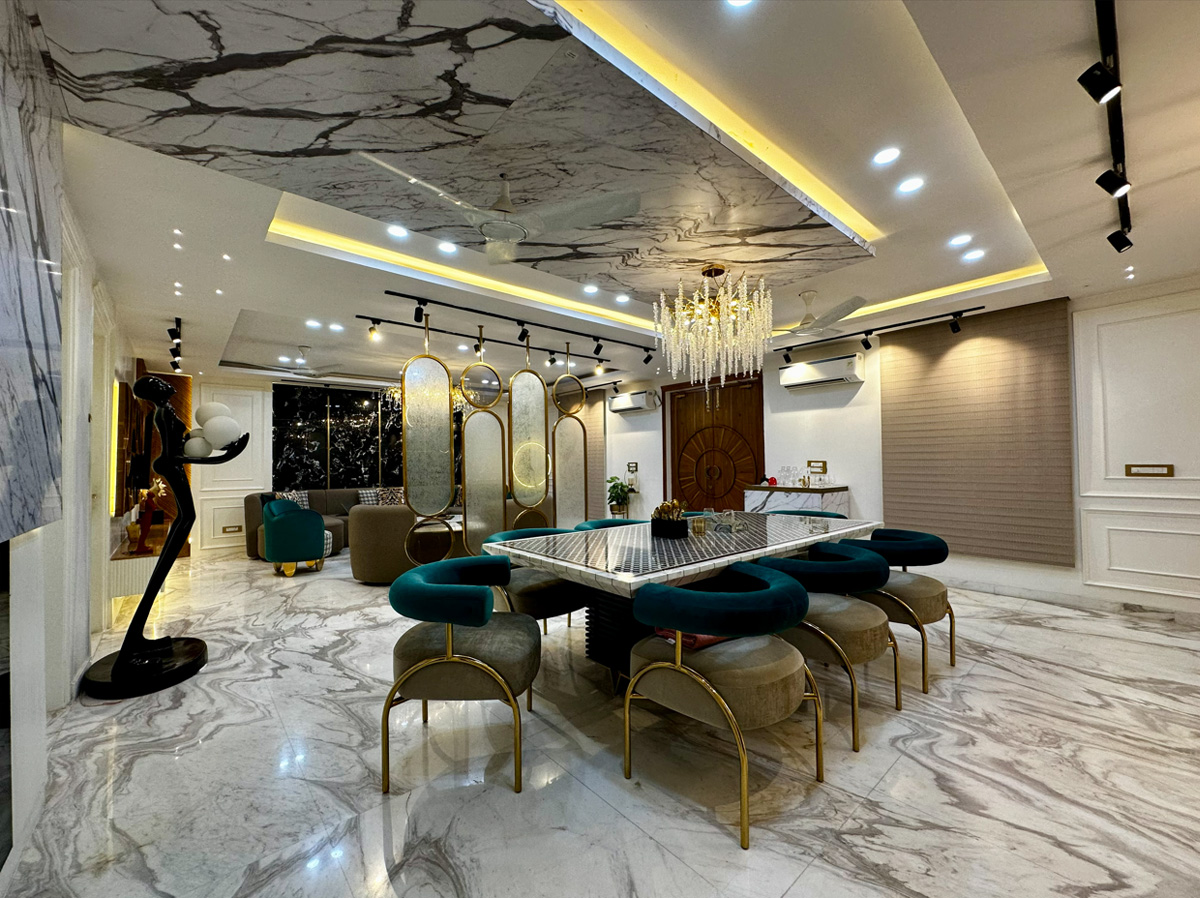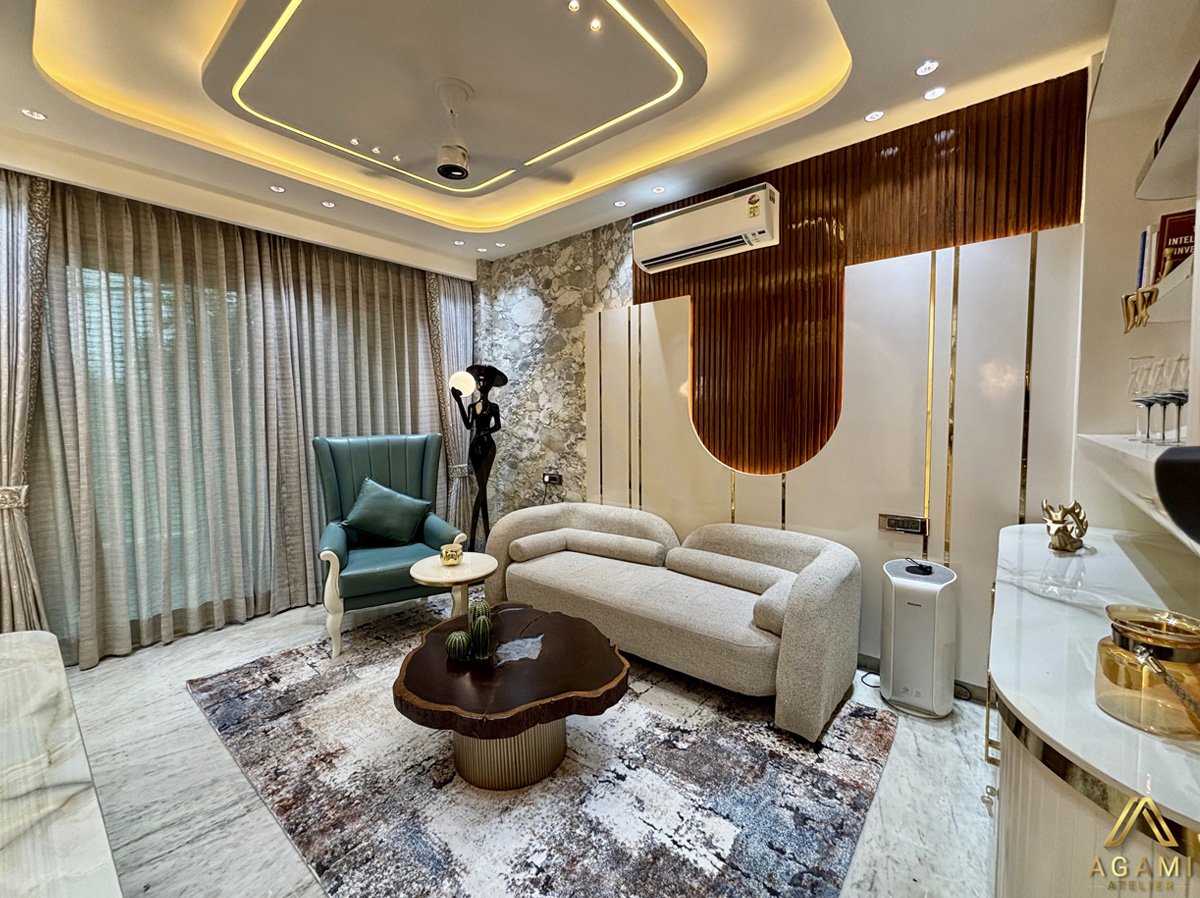
A beautiful home does not end at its walls. The garden, entrance, terrace and outdoor seating areas are equally important in shaping how a residence looks and feels.
In a thoughtfully designed home, outdoor spaces should feel connected to the architecture rather than appearing as separate decorative additions. From a welcoming entrance garden to a private backyard, every outdoor area can contribute to the overall experience of the property.
This is why landscape design for luxury homes deserves attention from the early stages of residential planning.
In India, landscape design also needs to respond to local weather conditions, available space, sunlight, water requirements and maintenance preferences. A garden that looks beautiful in a photograph may not be practical for everyday use if these details are overlooked.
Whether you are planning a luxury villa, an independent residence or renovating an existing property, here is how to approach landscape design in a thoughtful and practical way.
What Is Landscape Design for Luxury Homes?
Landscape design is the planning and arrangement of outdoor spaces around a property. It combines greenery, pathways, seating areas, lighting, hardscape materials and other outdoor elements to create a cohesive environment.
For luxury homes, landscape design goes beyond planting decorative trees or adding a lawn. It considers how people will use the outdoor areas and how those spaces connect with the architecture and interiors.
A well-planned landscape may include:
-
Entrance gardens and pathways
-
Private outdoor seating areas
-
Lawn and planting zones
-
Courtyards and internal gardens
-
Terrace gardens
-
Outdoor dining spaces
-
Water features, where suitable
-
Landscape lighting
The final design should reflect the home’s architectural style and the lifestyle of the people living there.
Why Landscape Design Matters in Luxury Residential Projects
Outdoor spaces can influence the overall character and usability of a home. Here are some reasons why they deserve proper planning.
1. Creates a Welcoming First Impression
The entrance is often the first part of a residence that visitors experience.
A thoughtfully designed entrance landscape can make the arrival feel more inviting. A combination of greenery, natural stone pathways, lighting and carefully selected plants can complement the home’s exterior architecture.
The design does not need to be elaborate. Even a simple and well-maintained entrance garden can create a strong impression.
2. Connects Indoor and Outdoor Living
Modern residential design often focuses on creating a stronger connection between indoor and outdoor spaces.
A living room that opens towards a garden, a dining area connected to an outdoor deck or a bedroom overlooking a private landscape can make the home feel more connected to its surroundings.
Large openings, sliding doors and carefully positioned seating areas can help establish this relationship.
3. Makes Outdoor Areas More Functional
An outdoor area should have a clear purpose.
Instead of leaving a large garden as an unused space, homeowners can consider how it could support everyday activities.
For example, a corner garden can become a quiet reading area, a covered patio can support family gatherings, and an outdoor dining space can provide a different setting for meals.
Good landscape planning makes these areas useful rather than purely decorative.
4. Adds Character to the Property
The landscape can become an important part of a home’s identity.
The selection of plants, textures, pathways, lighting and outdoor materials can complement the architectural language of the residence.
A contemporary home may benefit from clean pathways and structured planting, while a more natural architectural style may suit layered greenery and softer landscape forms.
7 Landscape Design Ideas for Luxury Homes in India
Every property has different requirements. The right landscape design depends on the plot size, climate, architecture and the way homeowners want to use their outdoor spaces.
Here are seven ideas to consider.
1. Design a Beautiful Entrance Garden
An entrance garden can create a smooth transition between the main gate and the home.
Consider combining:
-
Structured planting beds
-
Natural stone or textured pathways
-
Low-maintenance shrubs
-
Carefully positioned outdoor lights
-
A simple focal point, such as a tree or sculptural planter
Keep the entrance visually balanced and ensure that plants do not obstruct access, visibility or movement.
2. Create a Private Garden Seating Area
A private garden seating area can become one of the most enjoyable parts of a home.
It could include comfortable outdoor furniture, a pergola, subtle lighting and suitable greenery.
The seating arrangement should consider privacy, sunlight and weather exposure. Outdoor furniture and finishes should also be selected according to their durability and maintenance requirements.
3. Introduce a Courtyard Garden
A courtyard garden can bring greenery into the centre or an internal portion of a residence.
It may include a small tree, textured stone flooring, planters or a simple seating arrangement.
The courtyard should be planned alongside the architecture so that it receives appropriate daylight and has suitable drainage and waterproofing.
4. Make the Terrace More Inviting
A terrace can become a valuable outdoor extension of the home when designed properly.
Depending on its size and structural suitability, it may accommodate:
-
Outdoor lounge seating
-
Planter arrangements
-
A pergola or shaded seating zone
-
Outdoor dining
-
Landscape lighting
Before adding heavy planters, water features or other substantial elements, the structural capacity and waterproofing requirements should be checked.
5. Use Plants to Create Privacy
Greenery can help create visual separation between outdoor areas and neighbouring properties.
Trees, hedges, shrubs and suitable screening plants can be arranged to provide privacy without making the garden feel enclosed.
Plant selection should consider mature height, root behaviour, sunlight requirements and maintenance.
6. Add Thoughtful Landscape Lighting
Outdoor lighting can change the atmosphere of a garden after sunset.
Rather than illuminating every corner equally, focus on important areas such as pathways, steps, selected trees, seating zones and architectural features.
Some options include:
-
Pathway lights
-
Step lights
-
Low-level garden lights
-
Wall-mounted outdoor fixtures
-
Accent lighting for selected plants
Lighting should be planned to avoid unnecessary glare and should use fixtures suitable for outdoor conditions.
7. Combine Natural Materials with Greenery
Materials play an important role in connecting the landscape with the home’s architecture.
Natural stone, textured paving, suitable outdoor timber, concrete and carefully selected metal details can create a balanced outdoor environment.
The materials should be selected according to the local climate, slip resistance, weather exposure and maintenance needs.
Choosing the Right Plants for Indian Home Landscapes
Plant selection is one of the most important parts of landscape design.
A plant that works well in one location may struggle in another because of differences in sunlight, soil, temperature and water availability.
For this reason, plant selection should be based on the actual site rather than appearance alone.
Consider Local Climate
Choose plants that are suited to the property’s local climate and seasonal conditions.
For homes in Delhi NCR, the landscape plan should consider hot summers, seasonal rainfall and cooler winter conditions.
A local horticulture or landscape professional can help identify suitable plant varieties for the specific site.
Understand Sunlight Requirements
Different plants need different levels of sunlight.
Observe how sunlight reaches the garden throughout the day before deciding where to place trees, shrubs and flowering plants.
This can help avoid placing sun-loving plants in heavily shaded areas or delicate plants in locations with excessive direct exposure.
Plan for Maintenance
A luxury landscape should be beautiful, but it should also be manageable.
Consider how much time and effort the family is willing to spend on gardening.
Plant varieties, irrigation systems, lawn areas and seasonal maintenance should all be selected accordingly.
Think About Water Requirements
Water availability and irrigation planning are important considerations, particularly in locations with hot summers.
Suitable plant selection, efficient irrigation and appropriate soil preparation can help manage water use.
The landscape should be designed according to realistic maintenance and water requirements rather than relying only on visual appeal.
Important Things to Consider Before Planning Your Home Landscape
A successful landscape design begins with understanding the property.
Before starting the work, homeowners should discuss the following points with their architect and landscape designer.
1. Understand the Available Outdoor Space
Study the plot layout and identify which areas can be used for gardens, pathways, seating and other outdoor activities.
The design should also maintain clear access for vehicles, pedestrians and essential services.
2. Coordinate Landscape Design with Architecture
Landscape planning should not happen only after the building is completed.
The location of windows, doors, entrances, balconies and outdoor connections can influence how the landscape is arranged.
Early coordination helps create a more cohesive relationship between the building and its surroundings.
3. Plan Drainage and Irrigation
Outdoor areas need proper drainage to manage rainwater and prevent waterlogging.
Irrigation points should also be planned according to the planting layout.
These systems should be considered before finalising paving, soil levels and planting beds.
4. Choose Durable Outdoor Materials
Materials used outdoors face changing weather conditions and regular use.
Consider their durability, maintenance, slip resistance and suitability for the location before making a selection.
5. Balance Beauty with Practicality
A landscape should look attractive, but it must also work for everyday life.
A large lawn may look appealing but require regular maintenance. A water feature may add visual interest but also require cleaning and upkeep.
The best design is one that balances appearance, functionality and long-term maintenance.
Common Landscape Design Mistakes to Avoid
Even a spacious property can have an unsuccessful landscape if the planning is not done properly.
Here are some mistakes homeowners should avoid:
Choosing plants only for appearance: Plant selection should consider climate, sunlight, soil and maintenance requirements.
Ignoring drainage: Poor drainage can affect planting areas, pathways and adjoining building surfaces.
Overdesigning the garden: Too many materials, plants and decorative elements can make an outdoor space feel cluttered.
Forgetting outdoor lighting: A garden should remain comfortable and usable after sunset, especially around pathways and seating areas.
Ignoring privacy: Outdoor seating areas should be positioned with neighbouring properties and surrounding views in mind.
Planning landscaping too late: Delayed decisions can lead to changes in levels, drainage, paving and building connections.
How Landscape Design, Architecture and Interior Design Work Together
The most successful residential projects treat the building, interiors and landscape as connected parts of one design.
Architecture establishes the structure, orientation, openings and relationship between indoor and outdoor spaces.
Interior design develops the experience inside the home through materials, furniture, lighting and spatial planning.
Landscape design extends that experience outdoors through greenery, pathways, seating and natural elements.
For example, a living room opening towards a garden should have a visual relationship with the landscape. The flooring transition, window placement and outdoor seating arrangement can all contribute to a more connected experience.
Similarly, an entrance garden can complement the home’s facade through coordinated materials, planting and lighting.
When these elements are planned together, the property feels more complete and thoughtfully designed.
Is Professional Landscape Design Worth Considering for a Luxury Home?
For a luxury residential project, professional landscape planning can help homeowners make better use of the available outdoor space.
A landscape professional can assess the site, recommend suitable planting arrangements, plan pathways and coordinate outdoor elements with the building.
This is particularly useful for properties with large gardens, multiple outdoor zones, terraces or complex site conditions.
The scope of professional involvement can vary depending on the project, from concept development and planting plans to detailed design and coordination during execution.
The objective is to create an outdoor environment that suits the property and the people who live in it.
Frequently Asked Questions About Landscape Design for Luxury Homes
1. What is included in luxury landscape design?
Luxury landscape design may include entrance gardens, lawns, planting arrangements, outdoor seating, pathways, terrace gardens, landscape lighting and other outdoor features. The final scope depends on the property and the homeowner’s requirements.
2. Which plants are suitable for luxury home gardens in India?
Suitable plants depend on the local climate, sunlight, soil and available maintenance. Native and locally adapted plants are often worth considering, but the final selection should be made after studying the specific site.
3. How do I make my garden look luxurious?
Focus on a balanced layout, suitable greenery, quality outdoor materials, comfortable seating and thoughtful lighting. A well-maintained and cohesive design often feels more refined than a garden filled with excessive decorative elements.
4. Can landscape design be planned for a small home?
Yes. Even a compact property can benefit from planters, vertical greenery, small courtyards, terrace gardens and thoughtfully arranged outdoor seating.
5. Is terrace garden design suitable for Indian homes?
It can be suitable when structural capacity, waterproofing, drainage, sunlight and maintenance are considered. A professional assessment is important before adding heavy planters or other substantial features.
6. How can landscape design improve privacy?
Trees, hedges, shrubs and screening elements can help create visual separation from neighbouring properties. Their placement should consider mature plant size, sunlight and the overall layout.
7. When should landscape design be planned during home construction?
Ideally, landscape design should begin during the architectural planning stage. Early coordination helps account for levels, drainage, irrigation, pathways and connections between indoor and outdoor areas.
Final Thoughts
A thoughtfully designed landscape can make a home feel more welcoming, connected and complete.
From the entrance garden to a private outdoor seating area, every part of the landscape should have a purpose. The right combination of greenery, materials, lighting and spatial planning can create outdoor spaces that complement the home’s architecture and support everyday living.
At Agami Atelier, we believe that a well-designed residence should be considered as a whole. Architecture, interiors and outdoor spaces should work together to reflect the homeowner’s lifestyle and vision.
Planning a luxury home or residential project? Connect with Agami Atelier to discuss a design approach that brings architecture, interiors and outdoor spaces together.